How to tell better stories in your content: Using Brand Archetypes
Let’s be honest: creating content that connects deeply isn’t always about having the right strategy (although I am a big fan of this) it’s about knowing who you are.
It’s the difference between saying:
“I help small business owners with content”
versus
“I help creative founders who want to stop feeling like content robots and start telling stories that feel like home.”
That’s the power of storytelling and brand archetypes.
What are Brand Archetypes?
Brand archetypes are like your brand’s personality: a character or energy your brand takes on to help you show up consistently and emotionally connect with your audience.
They’re rooted in psychology (thanks to Carl Jung) and are now widely used in marketing to help brands feel more human. When you know yours, your stories come to life naturally — with tone, voice, and vibe all in sync.
There are 12 core archetypes, and each one has a unique storytelling style.
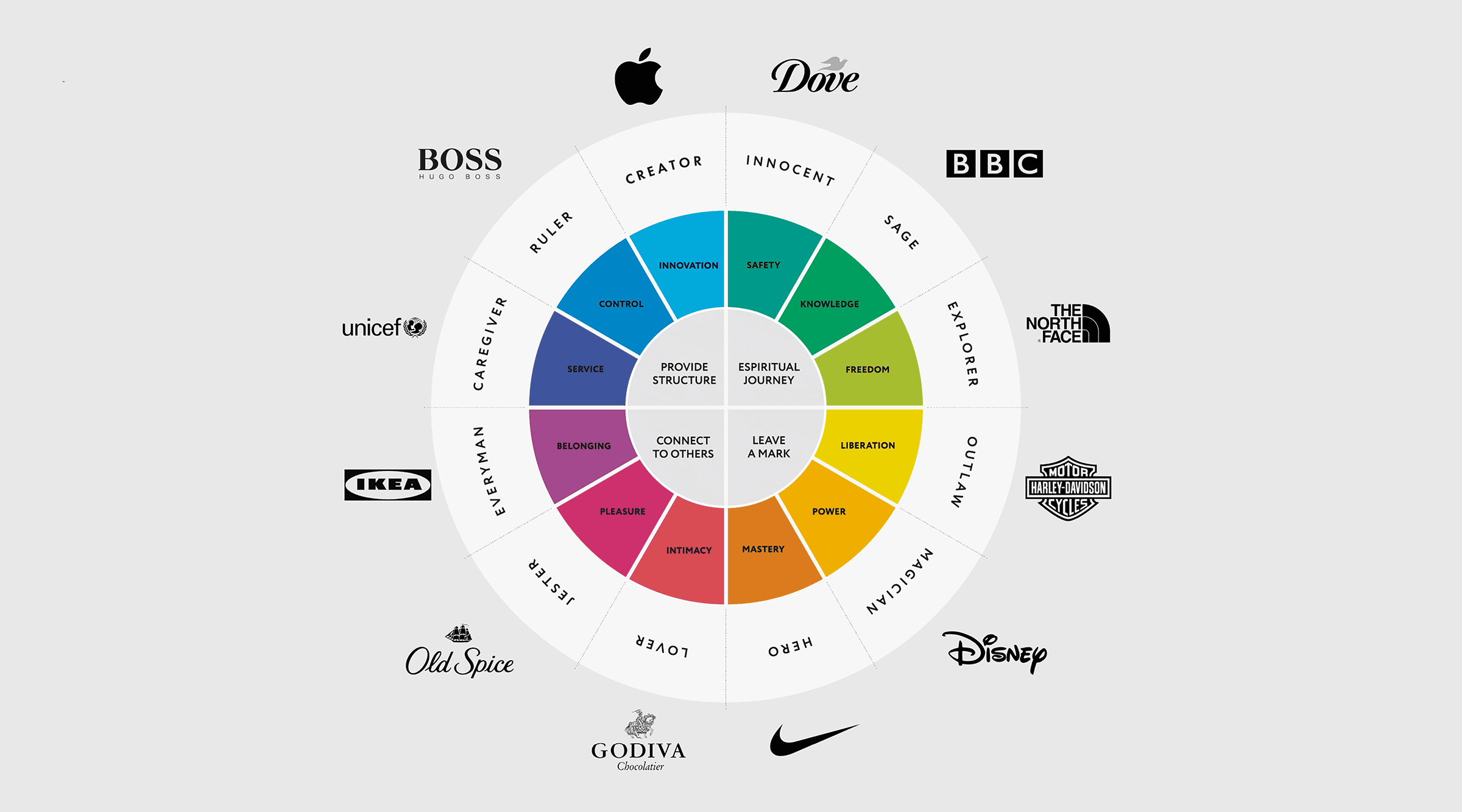
The 12 Brand Archetypes (with story examples)
Here’s a quick guide to each archetype, what it represents, and how it might show up in your content (with a marketing lens example):
1. The Lover
Core message: Connection, intimacy, beauty
You want people to feel: Emotion, closeness, desire
Storytelling tip: Focus on passion, detail, and why it matters to you
Example:
“This offer was born from a version of me who used to cry over content calendars at midnight. I wanted to create something that felt like love letters, not to-do lists.”
2. The Rebel
Core message: Break the rules, shake the system
You want people to feel: Challenged, awakened, free
Storytelling tip: Start with what you’re sick of and what you’re doing differently
Example:
“The truth? I think most marketing advice is outdated. I stopped following the ‘ideal post time’ and started creating when I wanted to. Here’s what happened…”
3. The Sage
Core message: Truth, knowledge, understanding
You want people to feel: Smart, empowered, clear
Storytelling tip: Teach through stories, frameworks, or deep reflection
Example:
“Let me walk you through the strategy I used with a client who went from two leads a month to twelve in 30 days - and why it had nothing to do with more content.”
4. The Hero
Core message: Strength through struggle
You want people to feel: Motivated, capable, fired up
Storytelling tip: Share transformation - yours or your clients’
Example:
“When I launched my business, I had $147 in my bank account and zero clients. Here’s how I turned that into a full-time income - and what I’d do differently now.”
5. The Creator
Core message: Expression, originality, artistry
You want people to feel: Inspired, creative, imaginative
Storytelling tip: Use visuals, metaphors, and creative behind-the-scenes
Example:
“This brand shoot wasn’t about the photos. It was about capturing the essence of who I am… colour, chaos, clarity. Here’s the mood board that started it all.”
6. The Everyman
Core message: Belonging, relatability, shared experience
You want people to feel: Seen, understood, grounded
Storytelling tip: Keep it casual, conversational, and grounded in everyday experience
Example:
“If you’ve ever cried in Canva trying to make a carousel… same. Here’s how I simplified my design process so it finally feels fun again.”
7. The Jester
Core message: Joy, humour, fun
You want people to feel: Light, entertained, included
Storytelling tip: Use humour, pop culture, or light-hearted storytelling
Example:
“This is your sign to stop romanticising the six-figure launch. Mine looked like dry shampoo, crying over Stripe, and four days of chaos. Still worth it.”
8. The Magician
Core message: Transformation, insight, possibility
You want people to feel: Hopeful, inspired, changed
Storytelling tip: Share before-and-after moments, belief shifts, or mindset insights
Example:
“You don’t need another marketing tip. You need to believe you’re worth listening to. That’s when everything changes.”
9. The Ruler
Core message: Leadership, control, structure
You want people to feel: Confident, supported, taken care of
Storytelling tip: Share your frameworks, your systems, or how you lead
Example:
“Here’s the exact three-step system I use to build a 90-day content strategy. Clients pay over $1,000 for this… you get it free.”
10. The Caregiver
Core message: Service, nurturing, compassion
You want people to feel: Safe, supported, valued
Storytelling tip: Focus on service, heart, and genuine care
Example:
“She came to me feeling completely burnt out. A month later, she was posting with ease and joy again. Here’s how we got her there, step by step.”
11. The Innocent
Core message: Simplicity, optimism, trust
You want people to feel: Calm, hopeful, at ease
Storytelling tip: Strip it back. Keep it honest, light, and clear
Example:
“What if content didn’t have to be hard? What if we just made it simple, honest, and real?”
12. The Explorer
Core message: Freedom, discovery, adventure
You want people to feel: Brave, curious, inspired
Storytelling tip: Share your journey - literal or metaphorical
Example:
“I left my 9–5, booked a one-way ticket, and built my business on the road. Here’s what I’ve learned from six months as a digital nomad.”
So… what’s your Archetype?
You might already feel which one you are. That’s the magic of archetypes - you don’t always need a quiz (although they can help! And I love this one). It’s about tuning into what feels most natural.
Ask yourself:
What stories do I love telling?
How do I want people to feel when they find me?
What voice or energy comes easiest to me?
That’s your brand voice… that’s your archetype.
Let it lead the way.
Want help getting clear on your brand and your stories?
Join my free Ask Me Anything WhatsApp Group where I share tips on storytelling and your brand archetype.
Final thoughts
When your content reflects who you really are, it becomes easier to create, and easier for people to connect with.
You don’t need to sound like an expert.
You just need to sound like you… amplified.